Have you heard of Daphnia magna or zebrafish? Do you know what they are used for in the laboratory? Are you aware of the great biodiversity found in the rivers of the Canary Islands? Do you know how diffuse water pollution occurs and how city design influences it?
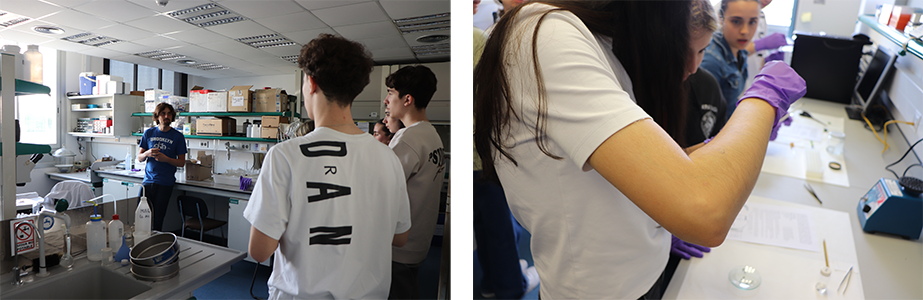
These are some of the questions that researchers from the Institute of Environmental Assessment and Water Research (IDAEA-CSIC) have aimed to answer alongside students from various schools during the 2023-2024 edition of the EscoLab program. Through five workshops covering different areas of IDAEA’s study, such as air pollution, environmental toxicology, biodiversity, analytical chemistry, and water resources, young people actively and dynamically explored how the impact of human activity on the environment is assessed.
IDAEA, which has participated in the initiative for several years, has revitalized the experience by including new research groups and workshops to provide students with maximum knowledge, thereby bringing science closer to society from an early age.
EscoLab is an initiative promoted by Barcelona Science and Universities of the Barcelona City Council, in collaboration with numerous research centers, universities, hospitals, and companies. It offers more than a hundred multidisciplinary activities for schools, high schools, and vocational training programs. Educational centers have the opportunity to innovate in their annual programming, promote student interest in R+D+I processes to solve environmental challenges, and foster curiosity and critical thinking in new generations.
IDAEA activities in EscoLab 2023-2024
For this edition, IDAEA Communication Department and Juliette Bedrossiatnz, from the Environmental Toxicology group, organized five workshops for high-school students.
Inés González, a researcher from the EGAR group, conducted a workshop to explain how laboratory samples are analyzed to evaluate if rubber releases particles that could be harmful to health.
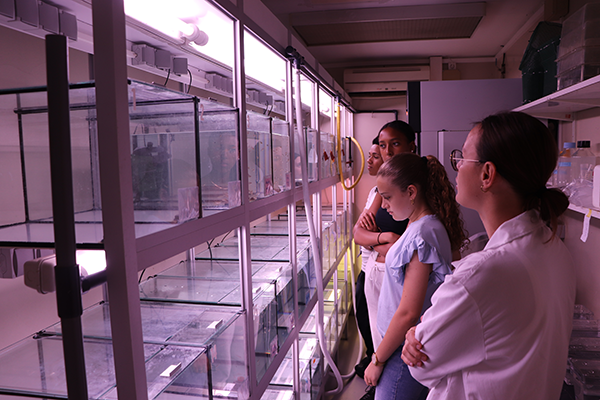
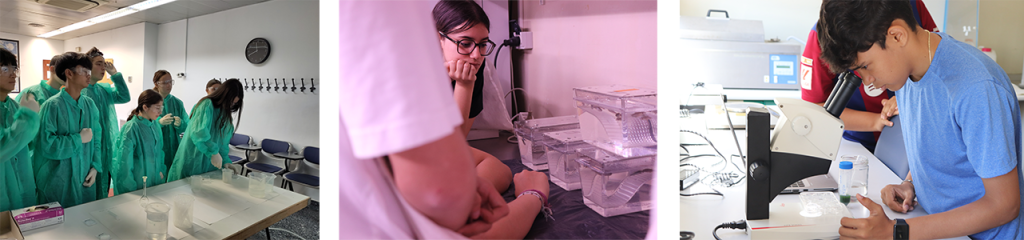
Researchers Hugo Moro and Liliya Sokalchuk from the Environmental Toxicology group introduced students to two key allies in environmental toxicology research: zebrafish and Daphnia magna. The latter is a microcrustacean that serves as a model organism in ecotoxicology due to its low maintenance cost and the lack of ethical regulations for animal experimentation. Students observed variations in the heart function of these organisms based on their exposure to various compounds.
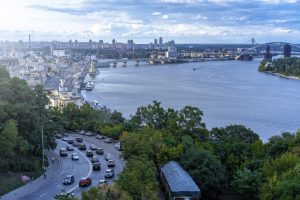
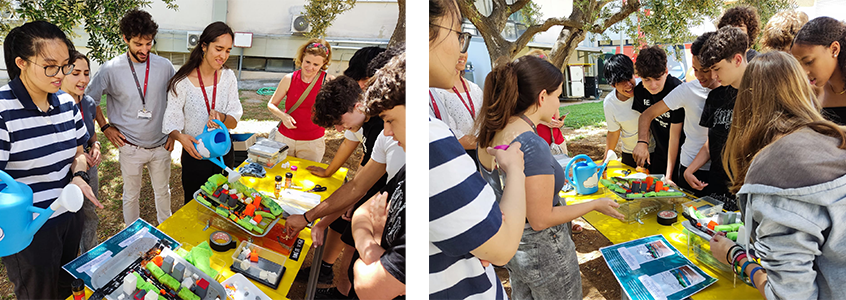
A highly relevant topic is water, especially given the significant drought that Catalonia experienced this past year. Researchers Marc Teixidó, Alejandra Cruz, Jiaqi Xu, Filippo Chierchini, Diego Schmidlin, and Carmen Sáez from the Groundwater and Hydrogeochemistry group conducted a workshop on how urban science, through more sustainable city designs such as green roofs and walls, drainage systems, and urban parks, is essential for filtering pollutants before they reach water bodies. Students also learned about the physical and chemical changes water undergoes through its cycle, which is crucial for sustaining life on Earth.
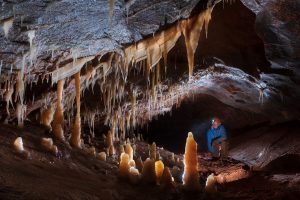
The Canary Islands boast a rich and sometimes unknown biodiversity. Researchers Miguel Cañedo-Argüelles and Raúl Acosta from the Surface Hydrology and Erosion group taught students about the aquatic macroinvertebrates of the Canary Islands’ aquatic ecosystems using a laboratory binocular microscope. Students also experienced how to sample these small organisms and understand their ecology and importance in maintaining river health.
Aina Queral and Albert Menéndez, from the Chemometrics group, led the fifth workshop of the 23-24 EscoLab edition, where students learned about two laboratory techniques, chromatography and spectrophotometry. They used these techniques to extract different chlorophylls present in plant leaves and measure the amount of light substances absorb at different wavelengths.