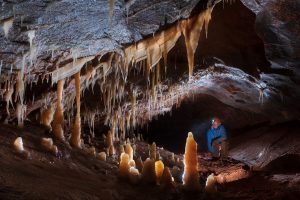
IDAEA will participate in the H2CAT network as a research center in the field of underground hydrogen storage. | Appolinary Kalashnikova, via Unsplash
The Institute of Environmental Assessment and Water Research (IDAEA-CSIC) joins the Catalan network for innovation and knowledge scalability in the field of renewable hydrogen (H2CAT). IDAEA will participate in the network as a research center in the field of underground hydrogen storage.
“We are experts in hydrogeology and hydrogeochemistry. Therefore, we will contribute our knowledge of multiphase flow, solution transport, mechanical properties of rocks, and geochemistry to the network,” clarifies Josep Soler, researcher at IDAEA and representative of the entity in H2CAT.
Other scientists from IDAEA integrated into the network include Jordi Cama, Juan J. Hidalgo, and Marco Dentz.
The Catalan network H2CAT brings together the main Catalan research groups in the green hydrogen sector to carry out programs for the valorization and transfer of research and development results in the green hydrogen value chain in Catalonia. Coordinated by Eurecat in collaboration with the Catalan Institute of Chemical Research (ICIQ), the Institute of Energy Research of Catalonia (IREC), the Polytechnic University of Catalonia (UPC), Rovira i Virgili University (URV), Leitat Technological Center, and the Institute of Materials Science of Barcelona (ICMAB-CSIC); H2CAT aims to bring research centers closer to businesses, assisting in the transfer of their technologies and helping to promote new research projects and collaborations with companies.
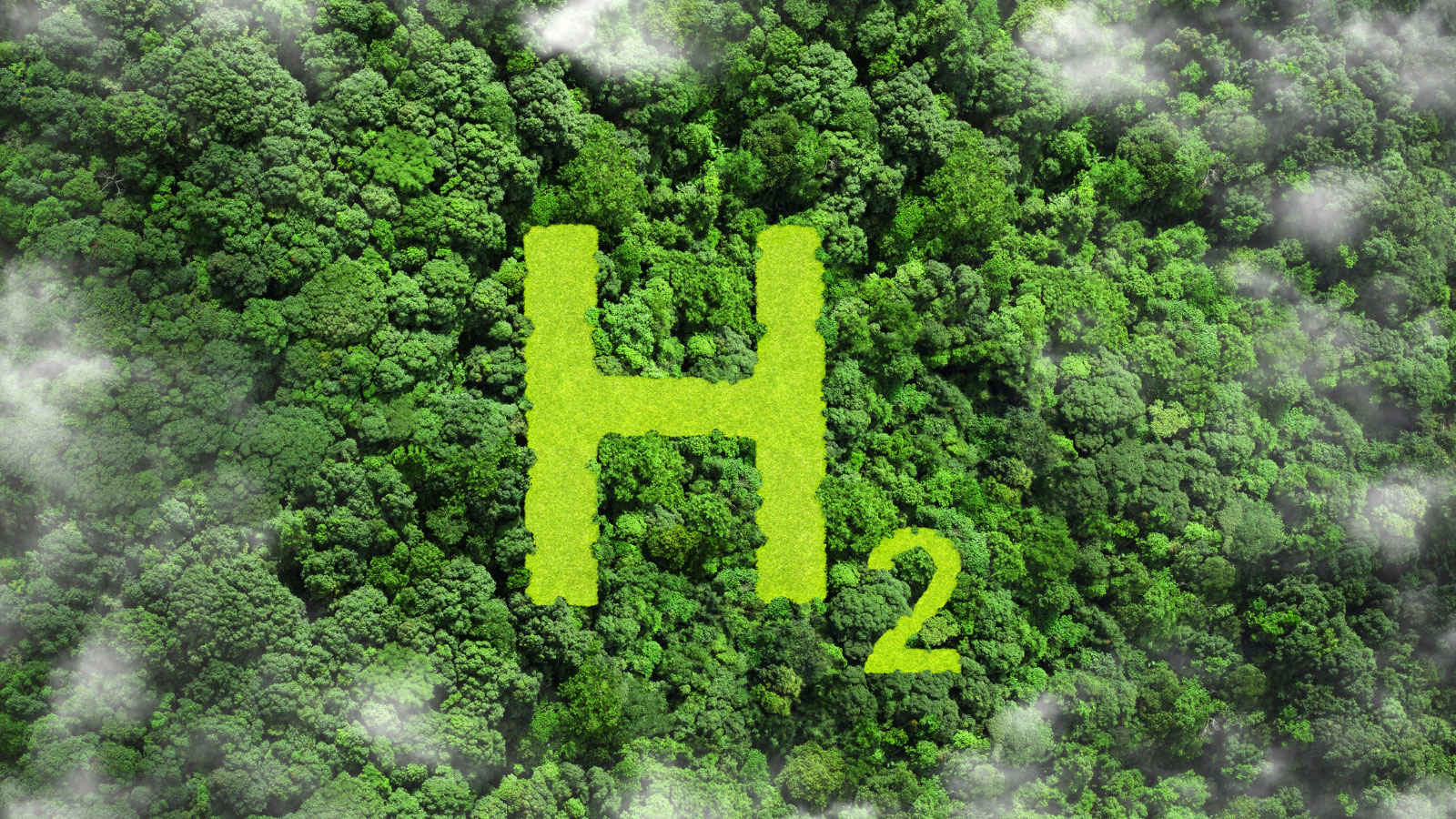
Green hydrogen is a key energy vector to achieve the decarbonization of the planet. | Canva
Hydrogen is the most abundant chemical element on the planet, present in 75% of matter. However, it is never found alone but accompanied by other chemical elements, such as oxygen-forming water or carbon-forming organic compounds. Humanity has used hydrogen as a raw material in the chemical industry or metallurgy and as fuel for a long time. However, since it cannot be obtained directly from nature in a pure state, it needs to be “manufactured.” Precisely, the method by which hydrogen is obtained determines whether it will be a clean and sustainable fuel or not.
Green hydrogen is obtained without generating contaminating emissions, making it sustainable hydrogen. It is already positioned as the key energy vector to achieve the decarbonization of the planet and meet the commitments established for 2050 in the fight against climate change.
To address the future challenges of green hydrogen, the H2CAT network is structured into four major thematic areas:
- Hydrogen production
Develop technologies for low-cost and highly efficient hydrogen production from renewable sources: biomass, water electrolysis, etc. - Hydrogen storage and distribution
This is the area of action for researchers at IDAEA-CSIC. The overall objective of this area is to research and develop new low-cost materials for the transport and storage of compressed hydrogen, liquid hydrogen, and metal hydrides, as well as innovate in safety and pipeline transport. - Use of hydrogen as an energy source
Develop fuel cells for low-cost electricity production, as well as advanced technologies for direct hydrogen injection to generate heat energy in industrial processes. - Use of hydrogen as a raw material
From hydrogen, other electrofuels can be obtained, both in liquid form (e-diesel, e-gasoline, e-kerosene, etc.) and in gaseous form (e-methane or e-ammonia). These fuels have properties identical to fossil fuel-derived products and provide a way to produce synthetic fuels and store hydrogen that can easily integrate into existing logistical infrastructure.
Follow all the news from the H2CAT network on its website, Twitter, and LinkedIn.

IDAEA will participate in the H2CAT network as a research center in the field of underground hydrogen storage. | Appolinary Kalashnikova, via Unsplash
The Institute of Environmental Assessment and Water Research (IDAEA-CSIC) joins the Catalan network for innovation and knowledge scalability in the field of renewable hydrogen (H2CAT). IDAEA will participate in the network as a research center in the field of underground hydrogen storage.
“We are experts in hydrogeology and hydrogeochemistry. Therefore, we will contribute our knowledge of multiphase flow, solution transport, mechanical properties of rocks, and geochemistry to the network,” clarifies Josep Soler, researcher at IDAEA and representative of the entity in H2CAT.
Other scientists from IDAEA integrated into the network include Jordi Cama, Juan J. Hidalgo, and Marco Dentz.
The Catalan network H2CAT brings together the main Catalan research groups in the green hydrogen sector to carry out programs for the valorization and transfer of research and development results in the green hydrogen value chain in Catalonia. Coordinated by Eurecat in collaboration with the Catalan Institute of Chemical Research (ICIQ), the Institute of Energy Research of Catalonia (IREC), the Polytechnic University of Catalonia (UPC), Rovira i Virgili University (URV), Leitat Technological Center, and the Institute of Materials Science of Barcelona (ICMAB-CSIC); H2CAT aims to bring research centers closer to businesses, assisting in the transfer of their technologies and helping to promote new research projects and collaborations with companies.

Green hydrogen is a key energy vector to achieve the decarbonization of the planet. | Canva
Hydrogen is the most abundant chemical element on the planet, present in 75% of matter. However, it is never found alone but accompanied by other chemical elements, such as oxygen-forming water or carbon-forming organic compounds. Humanity has used hydrogen as a raw material in the chemical industry or metallurgy and as fuel for a long time. However, since it cannot be obtained directly from nature in a pure state, it needs to be “manufactured.” Precisely, the method by which hydrogen is obtained determines whether it will be a clean and sustainable fuel or not.
Green hydrogen is obtained without generating contaminating emissions, making it sustainable hydrogen. It is already positioned as the key energy vector to achieve the decarbonization of the planet and meet the commitments established for 2050 in the fight against climate change.
To address the future challenges of green hydrogen, the H2CAT network is structured into four major thematic areas:
- Hydrogen production
Develop technologies for low-cost and highly efficient hydrogen production from renewable sources: biomass, water electrolysis, etc. - Hydrogen storage and distribution
This is the area of action for researchers at IDAEA-CSIC. The overall objective of this area is to research and develop new low-cost materials for the transport and storage of compressed hydrogen, liquid hydrogen, and metal hydrides, as well as innovate in safety and pipeline transport. - Use of hydrogen as an energy source
Develop fuel cells for low-cost electricity production, as well as advanced technologies for direct hydrogen injection to generate heat energy in industrial processes. - Use of hydrogen as a raw material
From hydrogen, other electrofuels can be obtained, both in liquid form (e-diesel, e-gasoline, e-kerosene, etc.) and in gaseous form (e-methane or e-ammonia). These fuels have properties identical to fossil fuel-derived products and provide a way to produce synthetic fuels and store hydrogen that can easily integrate into existing logistical infrastructure.
Follow all the news from the H2CAT network on its website, Twitter, and LinkedIn.